I hope my buildings say that I listened. In conversation with Ar. Vinu Daniel – By Nirmit Sutar
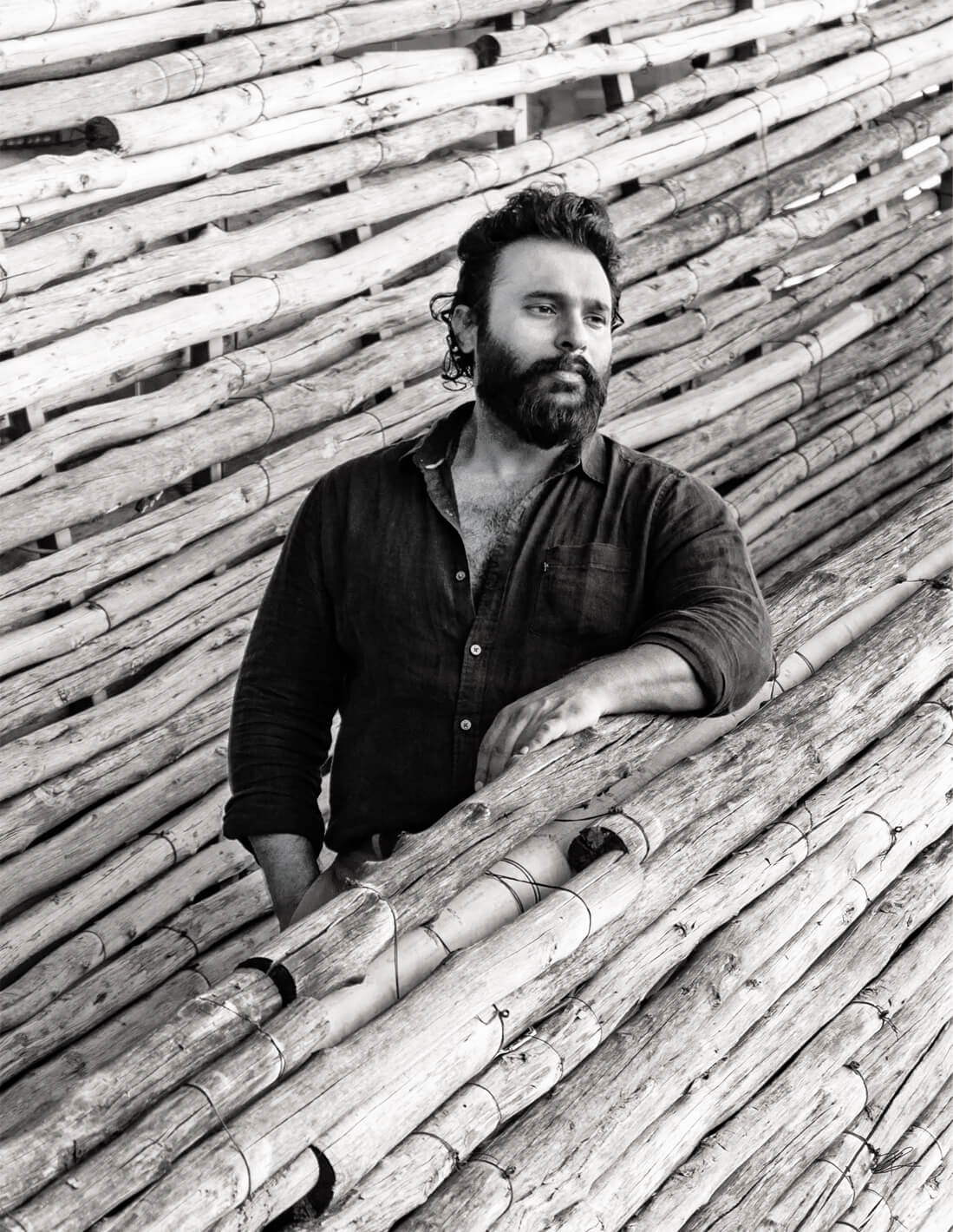 In our time on earth we have learned to communicate with our kind and others. Although we fall short repeatedly when it comes to listening. Listening to nature, buildings, and our homes. When posed a question, ‘What would his building say?’ to Ar. Vinu Daniel of Wallmakers, his response quietly reflected his principle and practise. He said, ‘I hope my buildings say that I listened.’ His practice constantly proves this virtue by not just challenging conventional building methods but also interrogating the very philosophical foundations of what architecture should be.
What made him truly understand what architecture was was his meeting with Ar. Laurie Baker. Vinu profoundly remembers him as an architect who “wasn’t constructing monuments” but “designing for people.” That meeting became Vinu Daniel’s wake-up call, shifting his understanding from architecture as monument-making to architecture as responsibility.
1.Toy Storey Residence – Vadakkara, Kerala
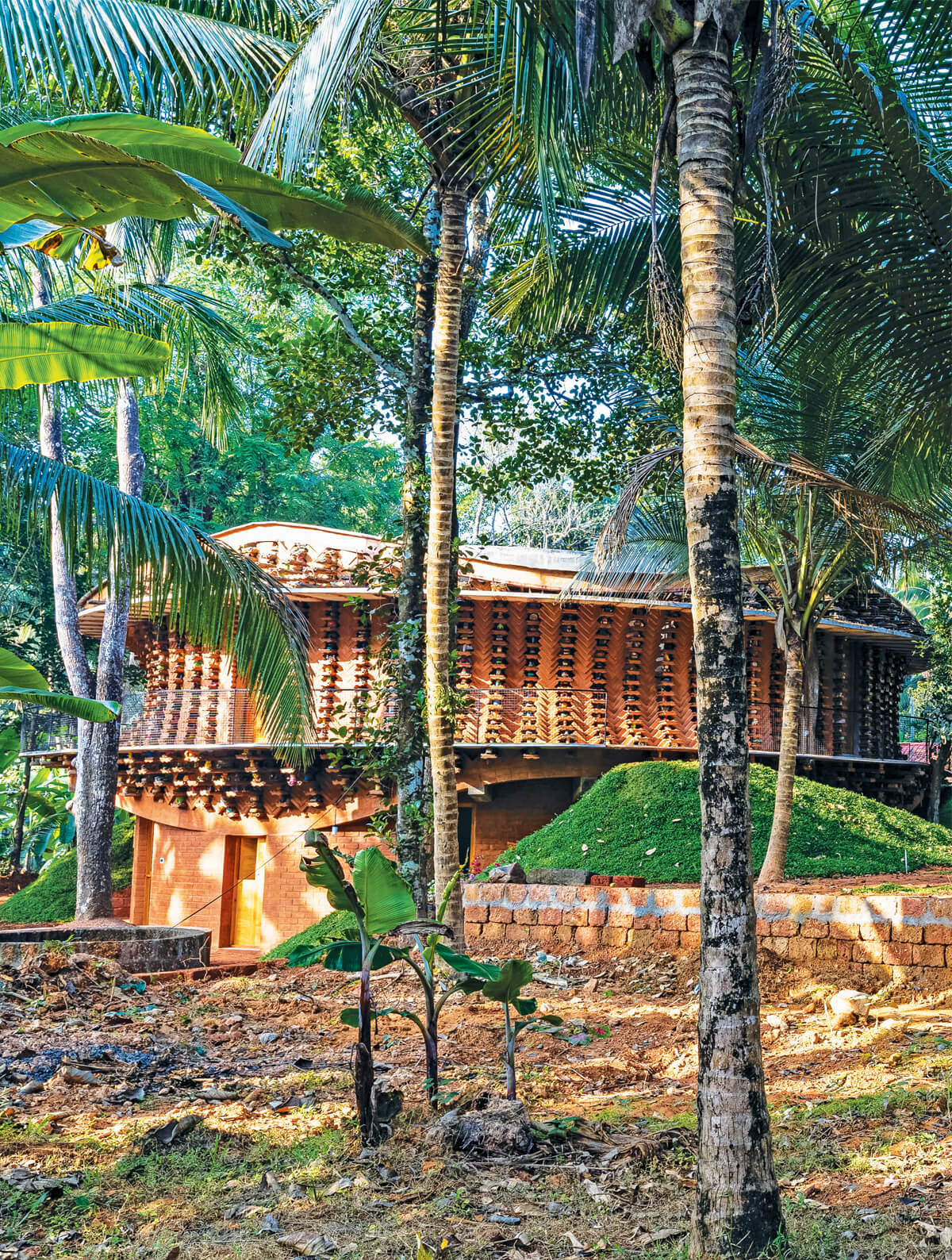
The project began with a simple question. Have you ever stepped on a Lego block? If yes, then one would remember the pain.
This pain becomes the entry point for deeper investigation. If a discarded toy can cause such memorable discomfort, what does that say about the material’s structural potential? More importantly, what stories do these objects carry?
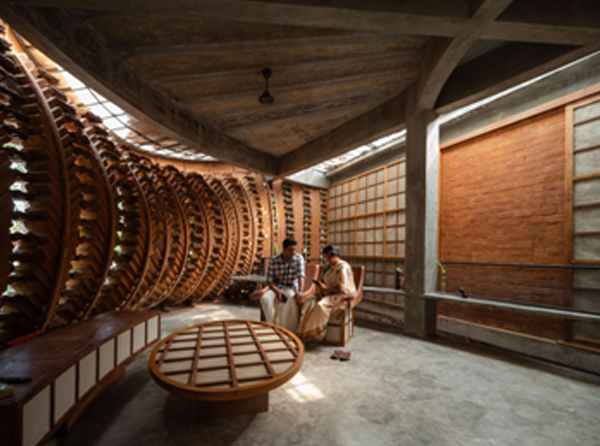
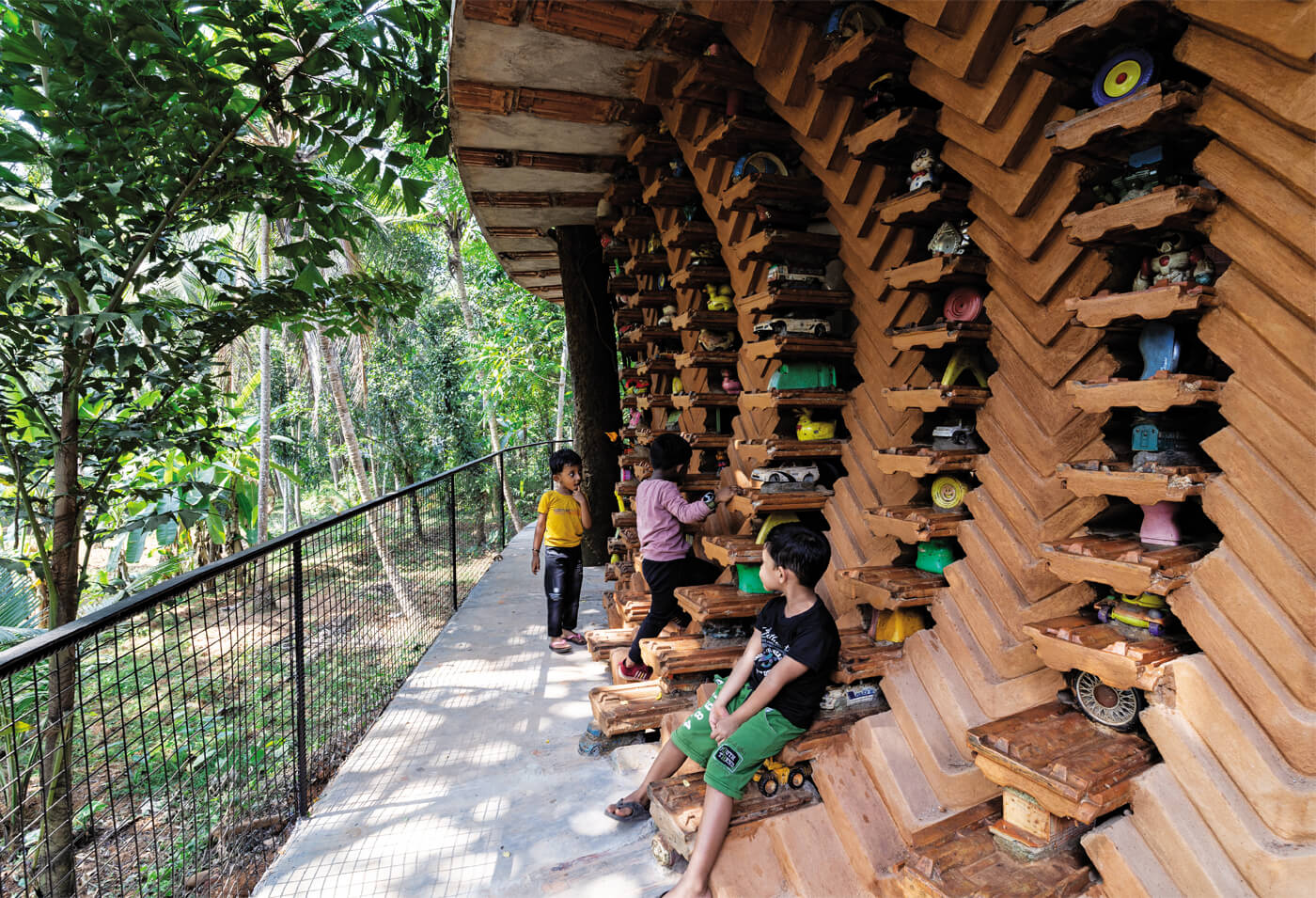
For this house in Vadakkara that has the highest plastic toys consumption rate in the state, Ar. Vinu Daniel used 6200 discarded toys to create a cantilevered verandah held up by corbelling toys and running around the house, such that there is no designated “front” and “back” elevations. At the toy storey residence, Architecture becomes a vessel for preserving collective memory, creatively managing plastic waste, and redefining home as an extension of community.
2. Jackfruit Garden Home – Vengola, Kerala
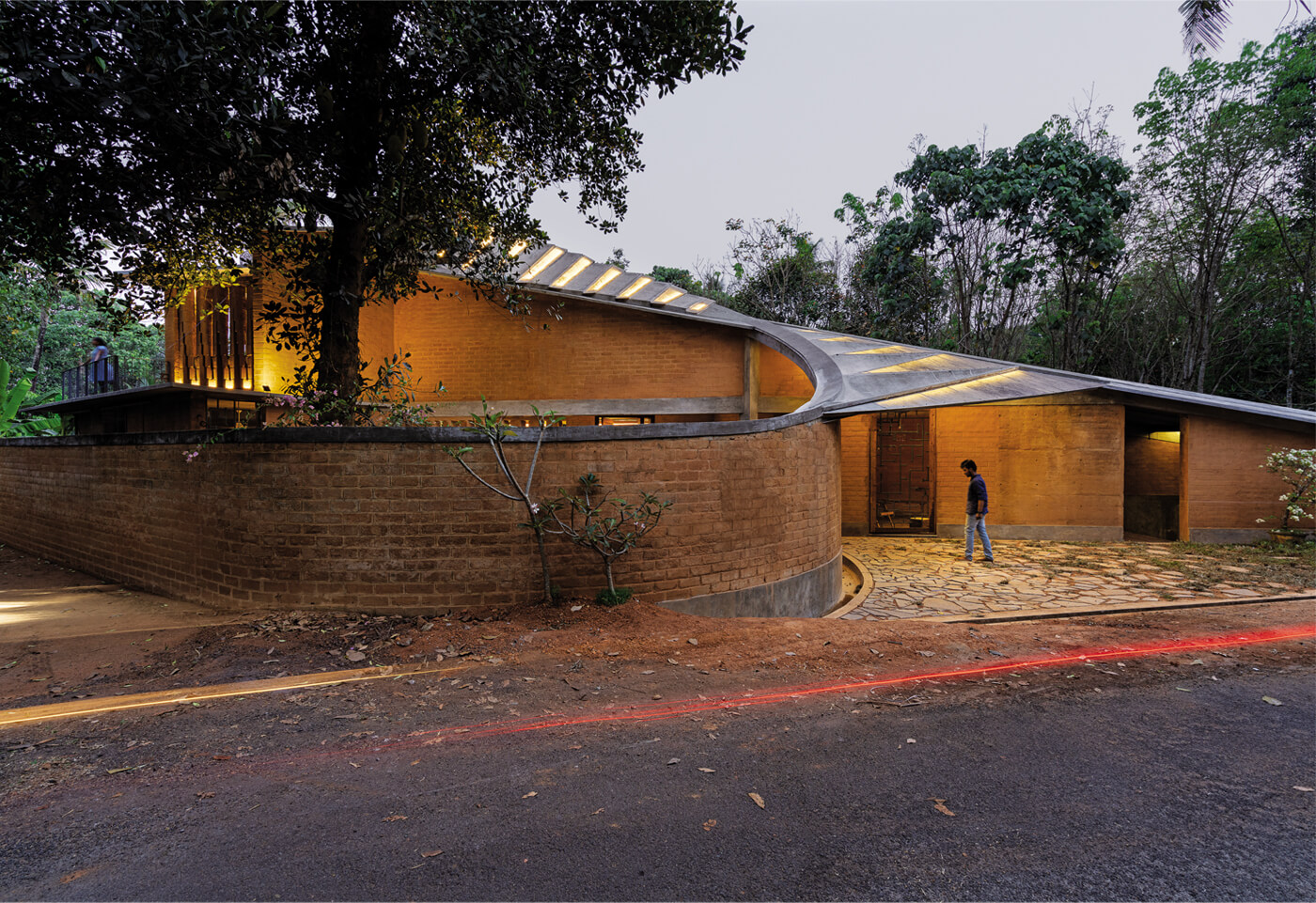
The Jackfruit Garden Residence embodies a philosophy of preservation, where the entire design was shaped around protecting an existing Jackfruit tree at the site’s corner.
A compound wall curves around the tree and rises to merge with a ferro-cement shell roof, naturally forming an intimate Zen-inspired garden space offering shade, privacy, and kitchen access.
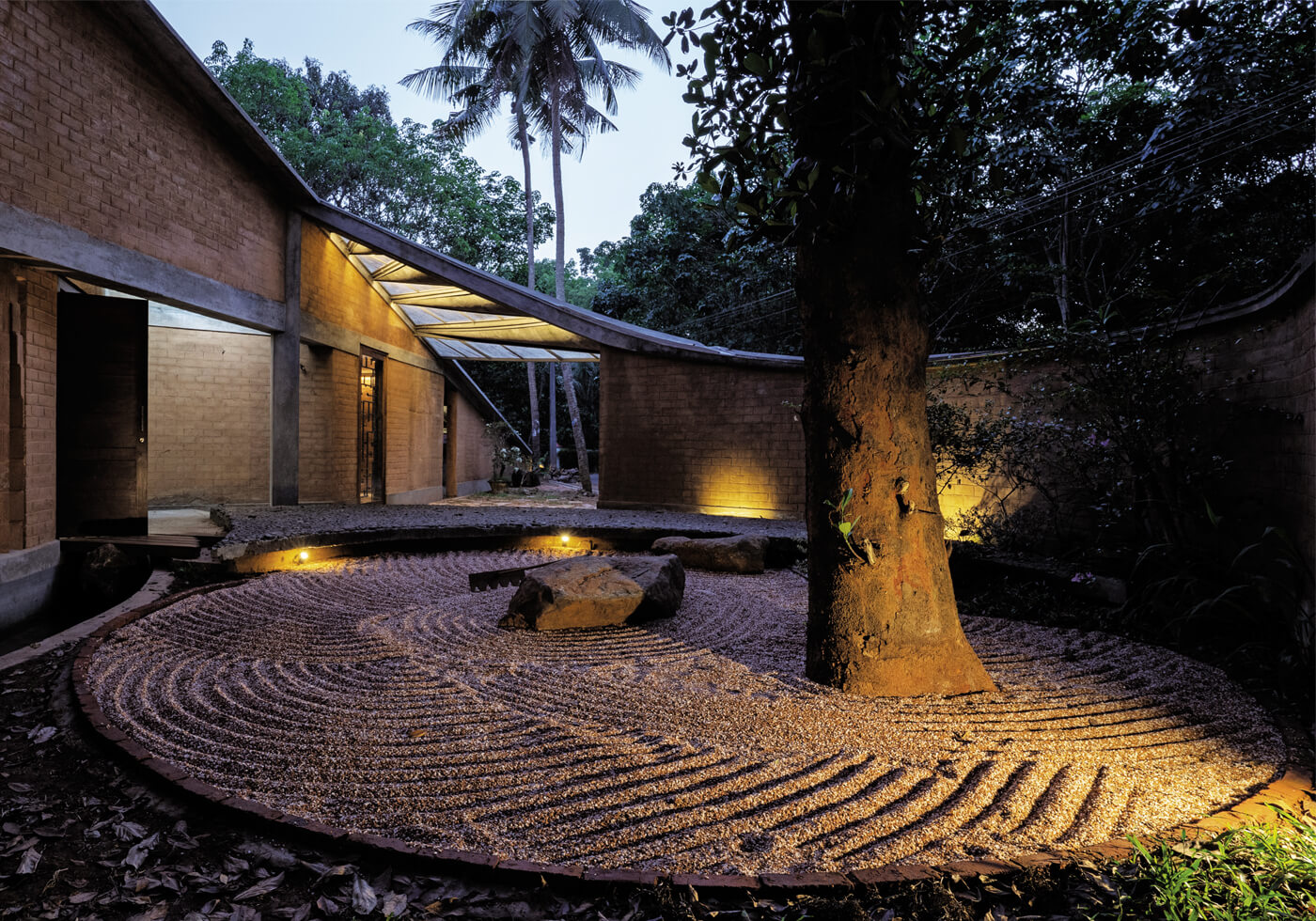
The project reflects deep environmental consciousness through material choices like CSEB blocks that consume four times less embodied energy than fired brick, while ferro-cement slabs cut cement usage by 40%.
Scrap materials are creatively upcycled throughout, with discarded pipe pieces transformed into window grills and art pieces crafted from waste. Together, these decisions demonstrate that thoughtful architecture can find beauty and innovation at the intersection of ecological sensitivity and scientific reasoning.
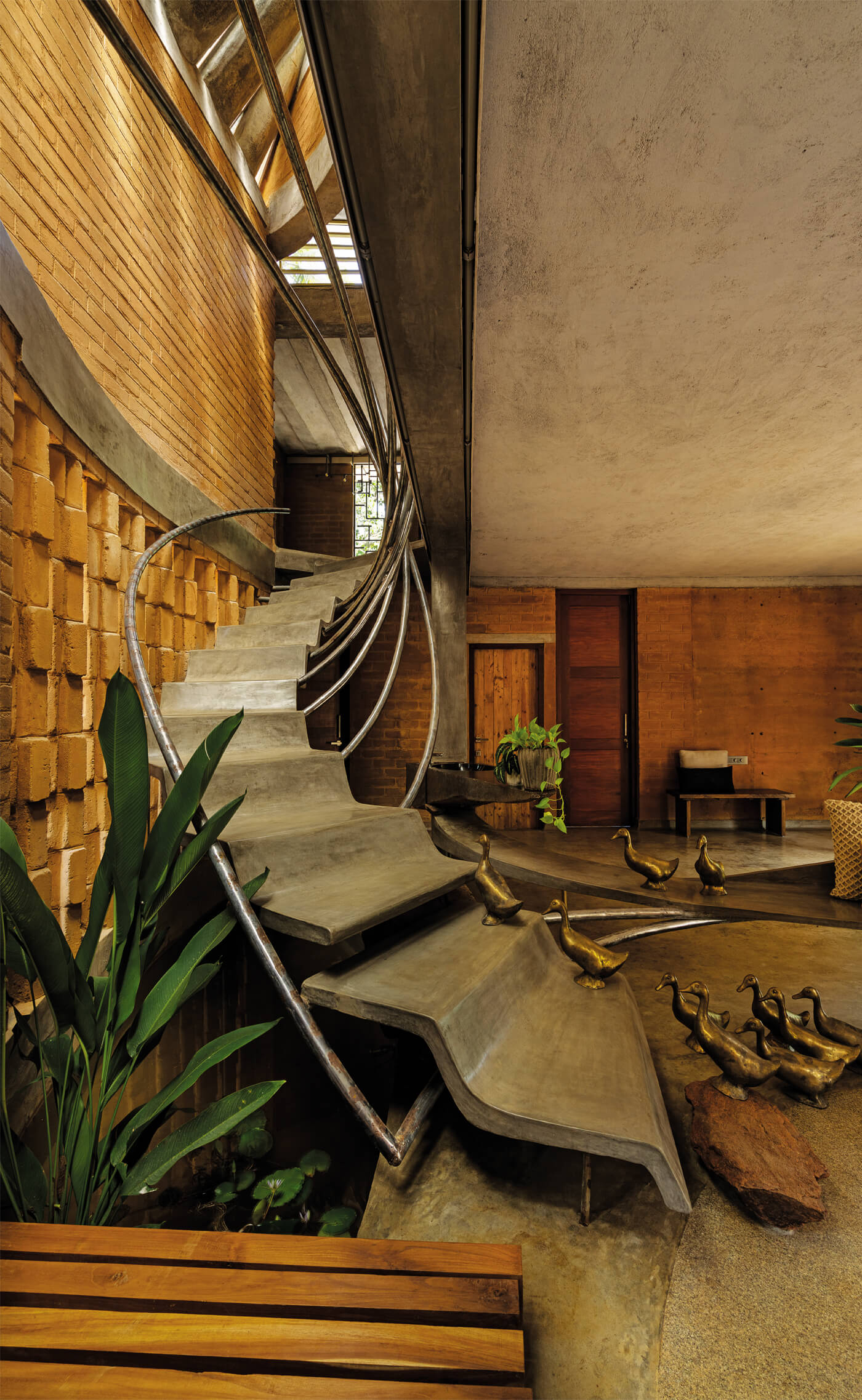
In a discipline often trapped between historical nostalgia and futuristic speculation, Daniel’s work offers something else: a present-tense architecture that listens carefully to what already exists and abundant materials and poetic spaces.
Featured in Vol 2, Issue 4 are two more such projects by Ar. Vinu Daniel simply let the buildings speak, The Chizu and The Ledge. Buy to read all the projects in detail.