Architecture that Belongs: Landscape led retreat, Radisson, Lonavala – By Riya Pailwan
 In Focus, Ar. Arjun Malik, Malik Architecture
For anyone living in a city, the idea of a getaway is often associated with nature, hills, open spaces and fresh air. But what happens when these spaces imitate the density and form of urban cities, becoming a miniature version of them? We lose the space, the calm, and the silence. Unless one day, someone grabs a pencil and paper and decides to do it differently.
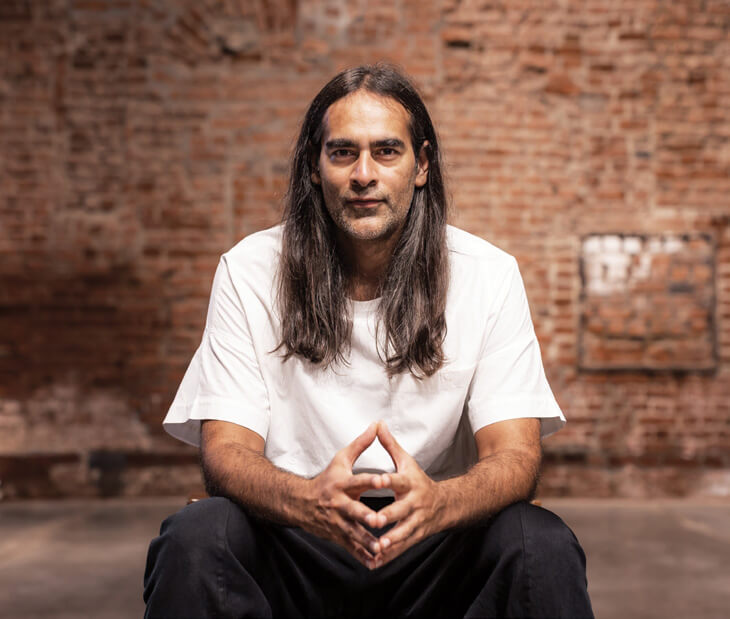
Arjun Malik and his team shattered the predetermined notions of what a high-density, luxury hotel can be. They chose creativity over monotony and context over ornamentation.
Lonavala, a popular weekend escape for the cities of Mumbai and Pune, is widely known for its cooler, drier climate, topography, ancient forts, and Buddhist caves.
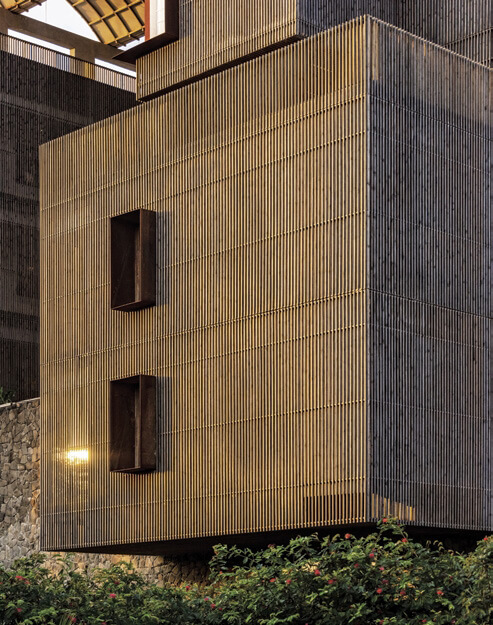
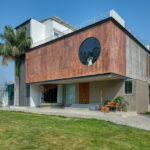
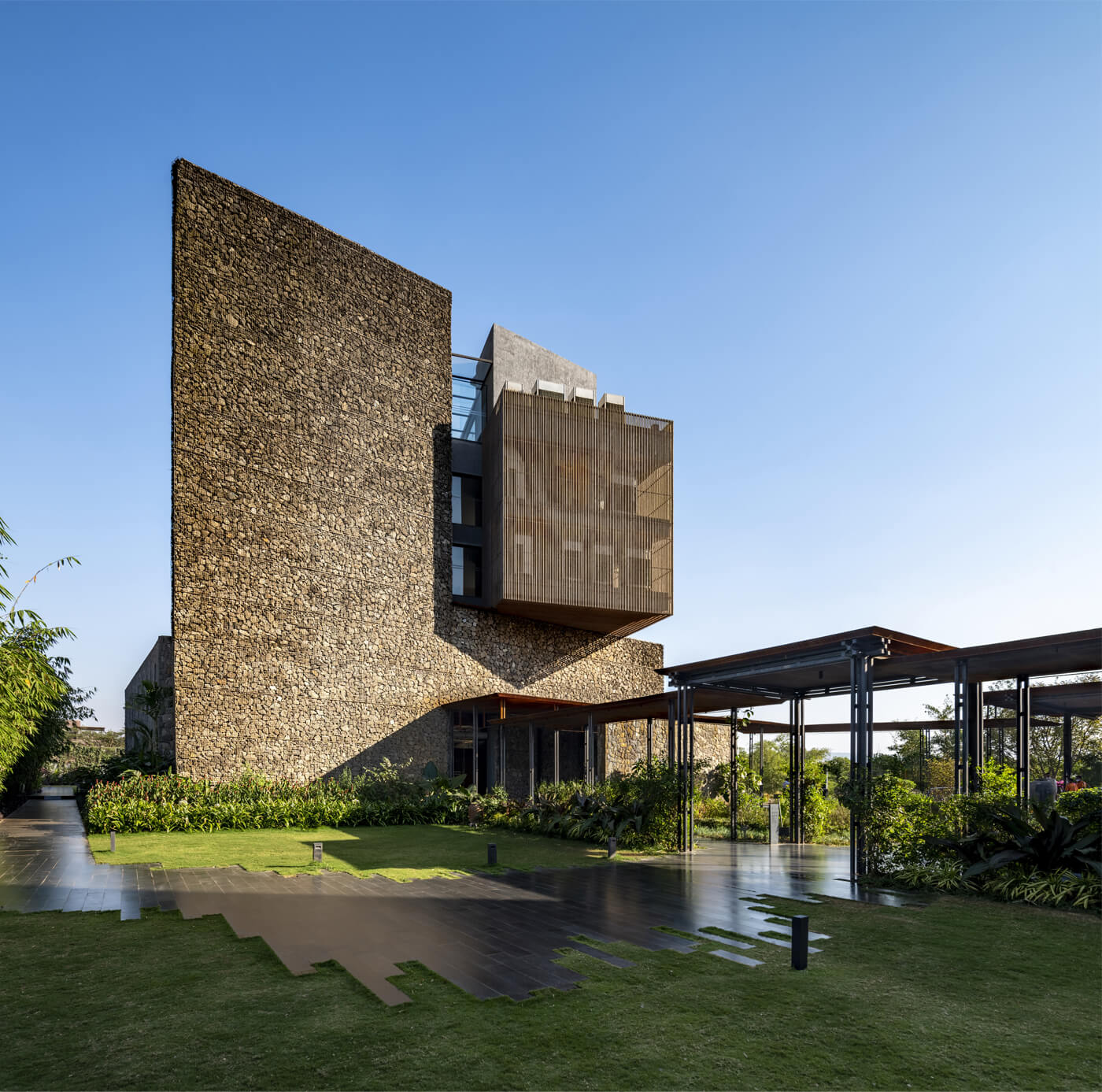
Radisson Resort and Spa Lonavala by Malik Architects doesn’t act as a black sheep, but rather breathes with the climate and belongs to the place. It emerges from the site, topography, and region’s material history (black basalt & wood) and adapts to both flexible and fixed (public & private) programs.
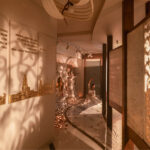
The 2.5-acre, sloping plot is notionally divided by an access road to a housing society beyond. Subterranean volumes derived from the design language of kunds and baolis house free-flowing public spaces. The monumental stone volumes emerge from the ground as a continuation of the black basalt underneath.
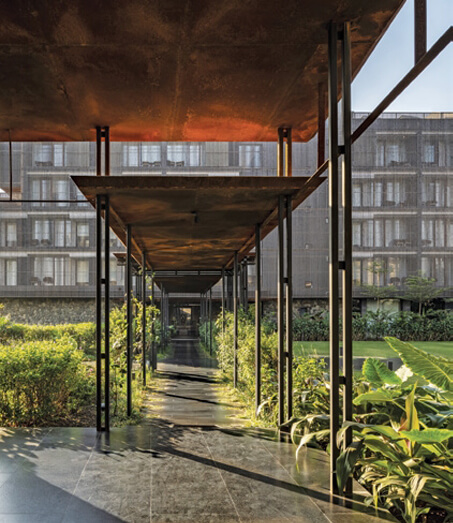
‘The design dissolves boundaries between what is built and what simply is,’ says Malik.
The design, in every way, rejects the conventional 5-star hotel construct. Instead, it originates from the ground , carving free-flowing spaces through the natural slope up the terrain. The huge masonry rocks bring the region’s history into contemporary architecture, all while reducing environmental impact. Basalt excavated from the site itself creates a sense of comfort and belonging, while the wooden slated screens allow the light to play hide and seek. In contrast to each other, they balance the heaviness and lightness of the structure.
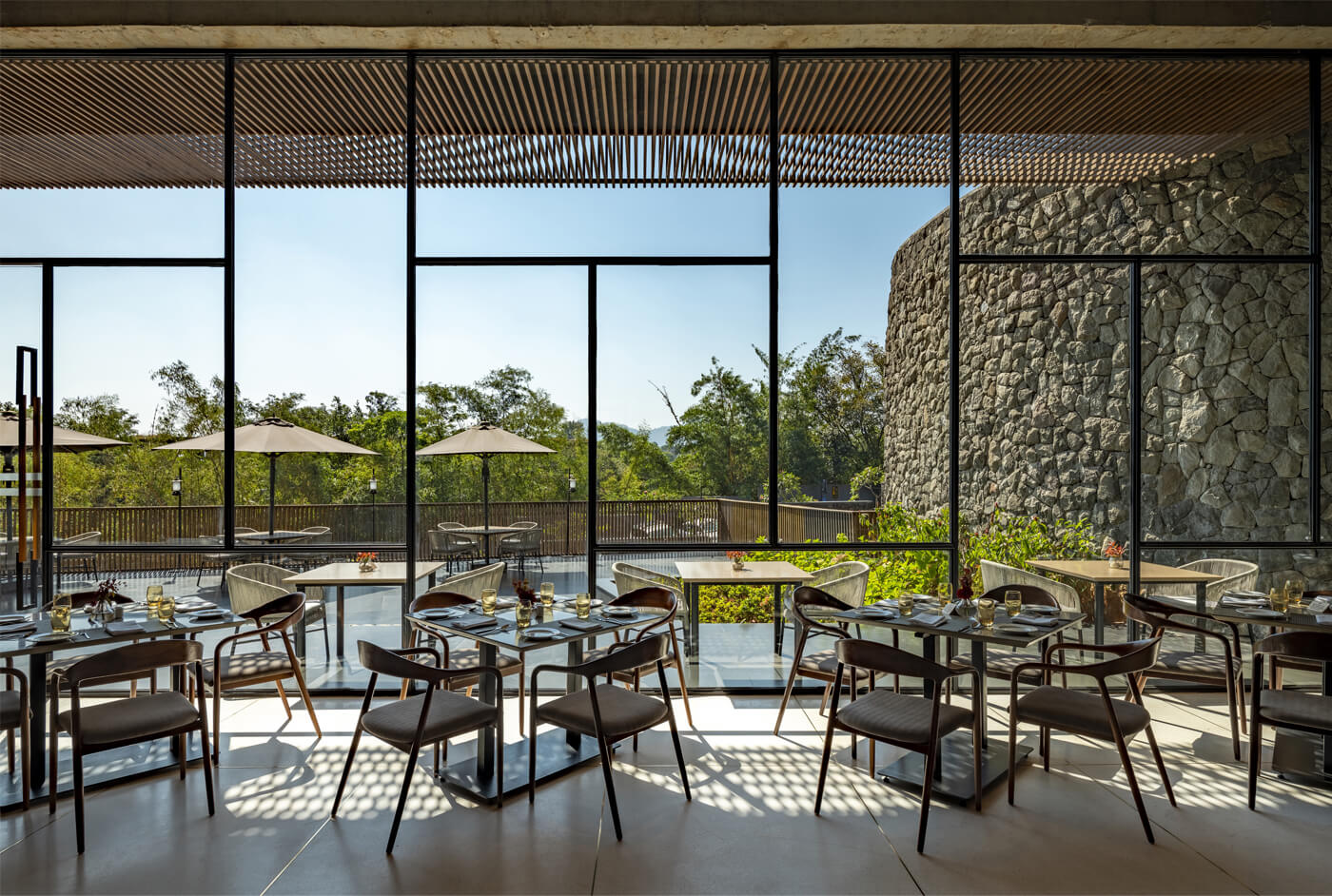
In this landscape of loss and rapid growth, the architect of Radisson Lonavala denies the usual, goes beyond decorations, healing the disconnect with the union of material, memory, nature, and design.
Radisson reminds us that when architecture listens to the land, the result is timeless. Basalt, memory, heritage, nature, all come together to restore what Lonavala was always meant to be —a sanctuary shaped by nature, not against it.
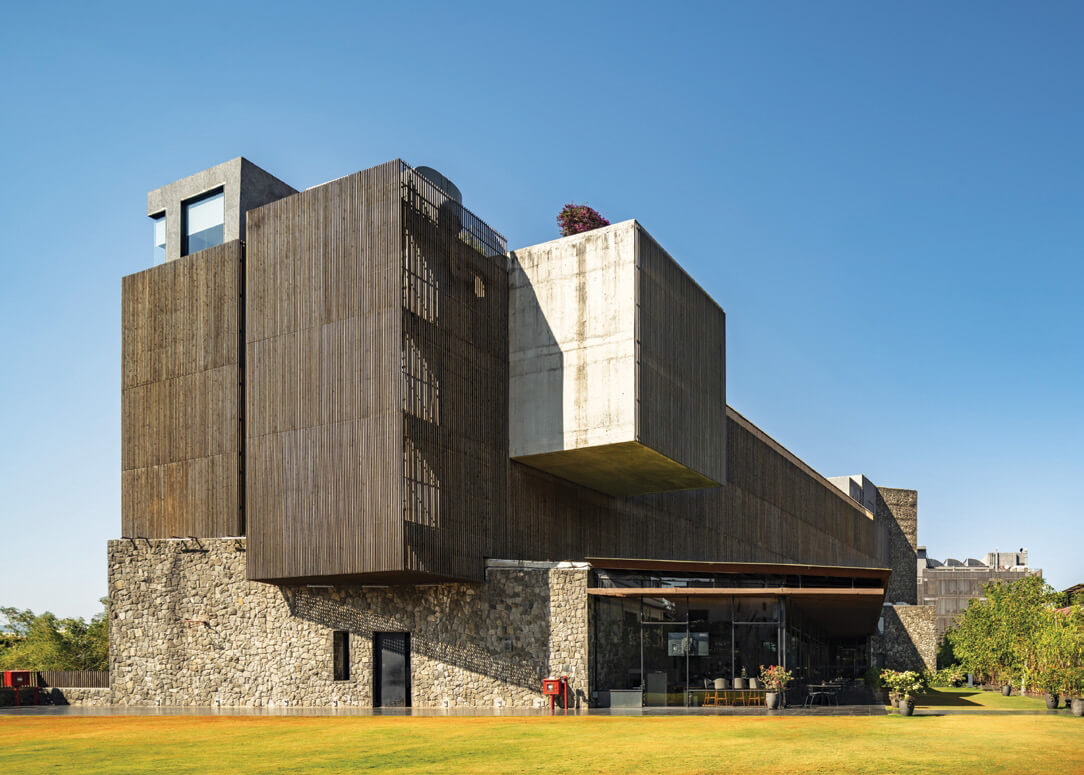
Below, the building belongs to the earth. Above, it belongs to the air. And in all, it belongs to nature, to Lonavala.