Beyond Books, Culture Carved in Stone – By Riya Pailwan
 History, Culture, folk tales have long existed in books, manuscripts, and scriptures. But, there’s one more form they have been narrated in, which seems to be fading away. Sculptures. Today, they are confined to books and oral narratives. But before, they were carved on temples, etched in caves,and stood tall in monuments.
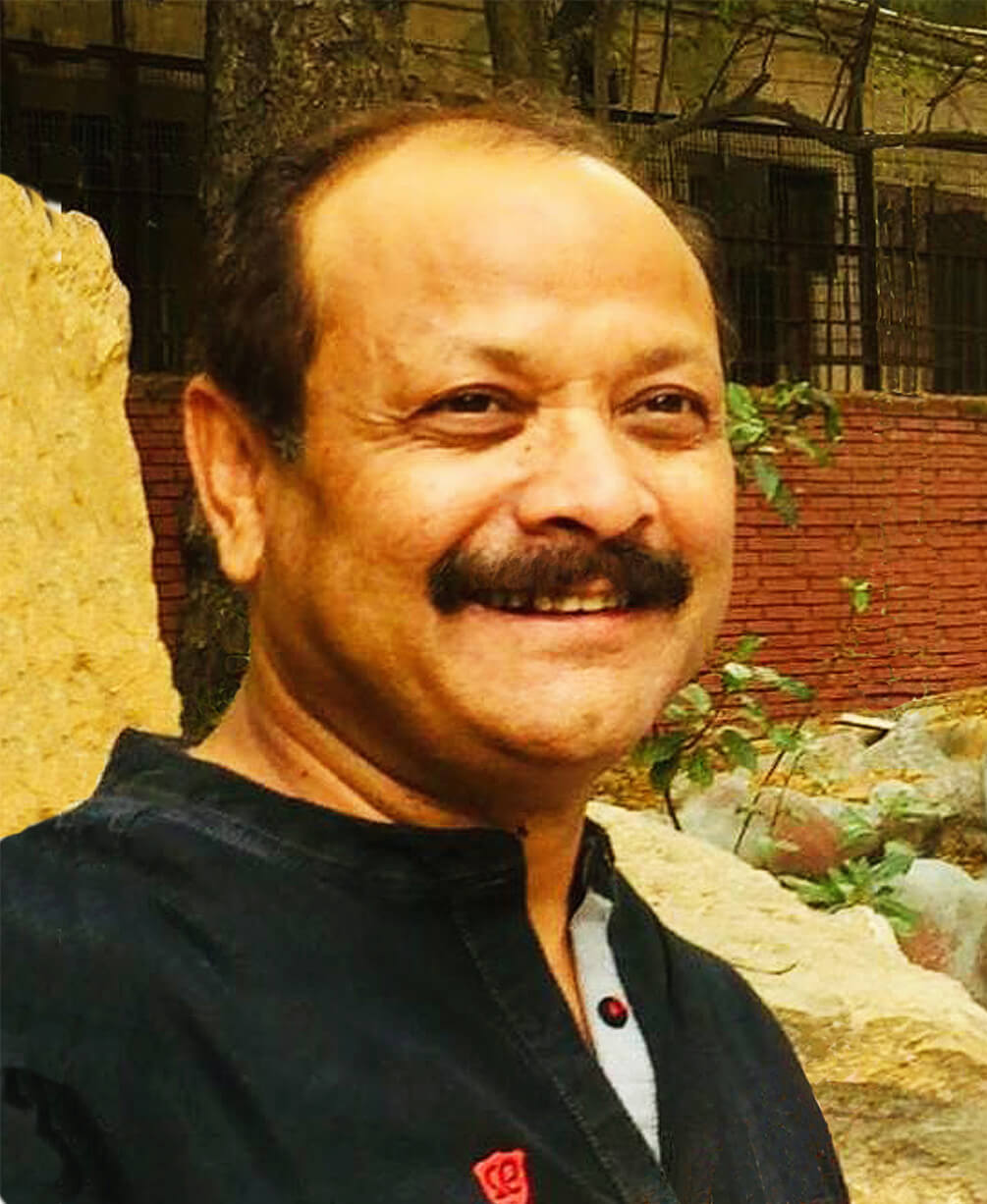
We may have read it and listened to it, but artist Tutu Pattnaik experienced it too. He lived and breathed history growing up on the grounds of the city of temples, Bhubaneswar, Odisha. For Pattnaik, the carved stories, ancient architecture, and inscriptions weren’t distant myths. They were beneath his fingers, inviting him to feel.
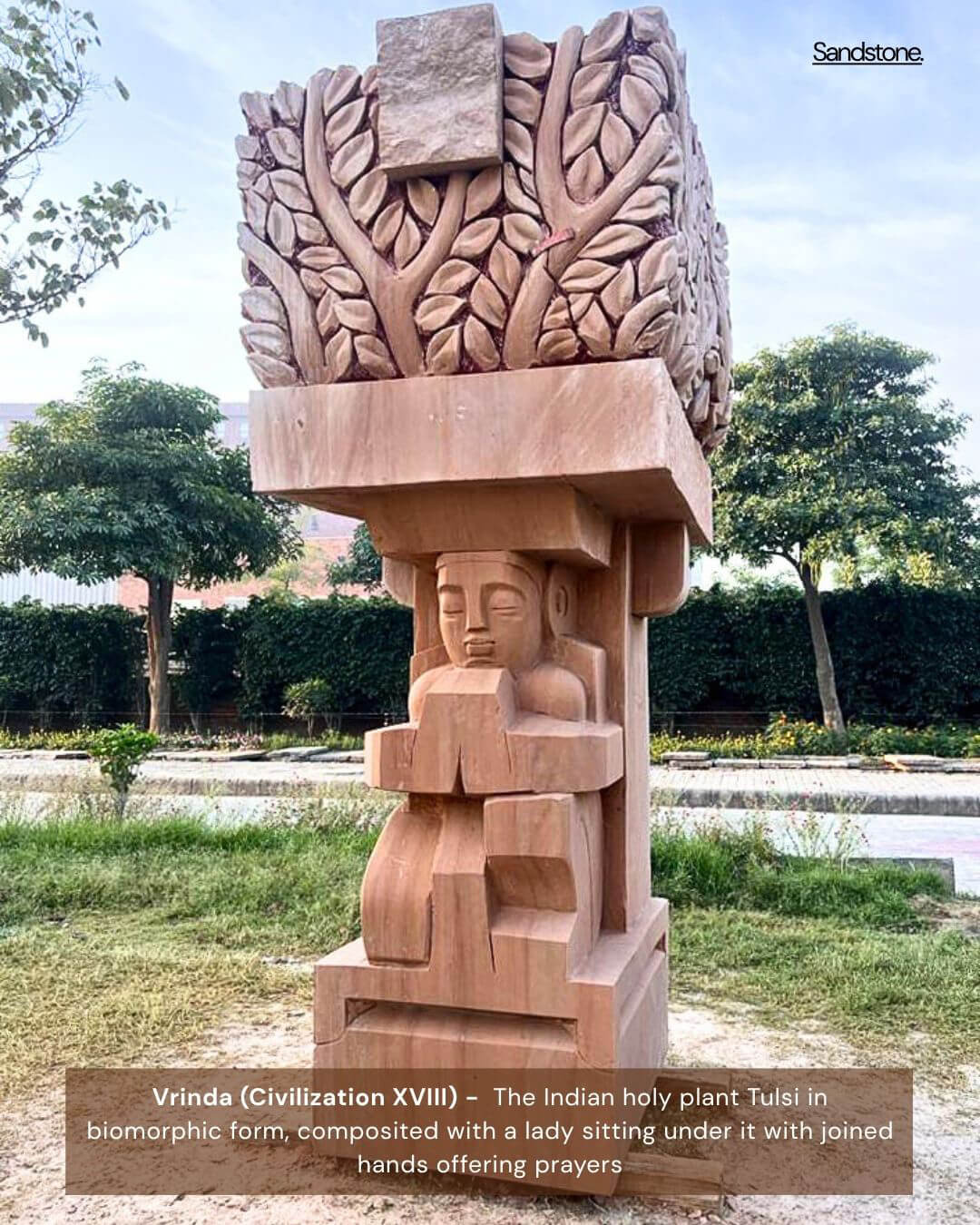
Tutu Pattnaik is an artist in practice and spirit. He is the master of larger-than-life sculptures crafted from stone, fibreglass, metal, wood, and other materials. His monumental structures depict history, culture, and his childhood memories, asking to be preserved, remembered, and felt.
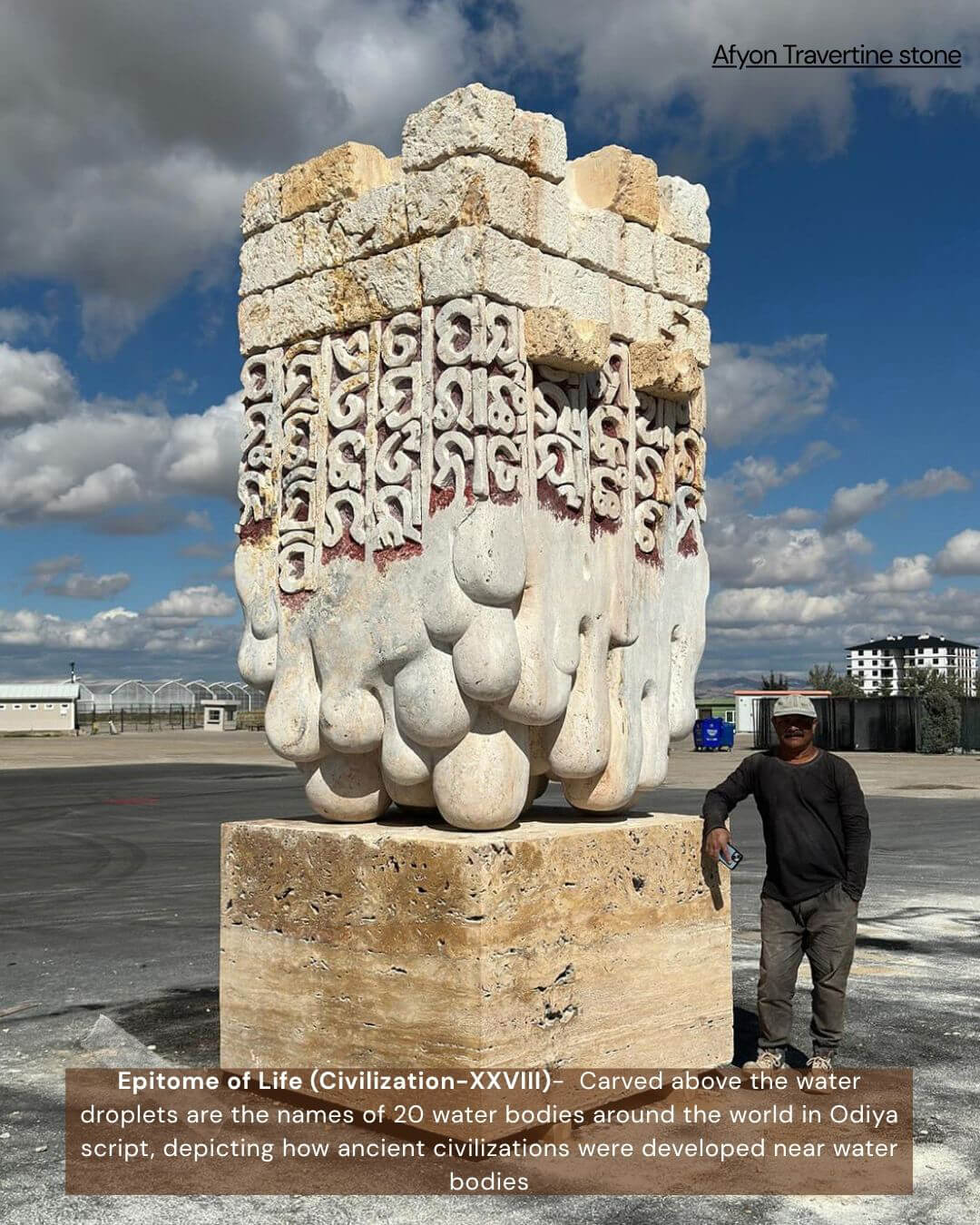
Unlike his family of IT professionals, Pattnaik always had a knack for creativity. Pursuing his calling, he studied art at Banaras Hindu University. While exploring different materials in his master’s degree, stone became his favourite.
I have a spiritual and personal relationship with Stone. It’s strongly embedded in my memories. And that is why I see a soul in it,” he reflects.
A memory of running his hands as a kid through King Ashoka’s inscription carved into stone on Dhauli mountain aroused curiosity. Everything he absorbed as a child -the temples, scripts, and stories carved in stone- didn’t just stay with him. They defined his art. Watching culture fade pushed him to preserve it the only way he knew—by carving it into stone.
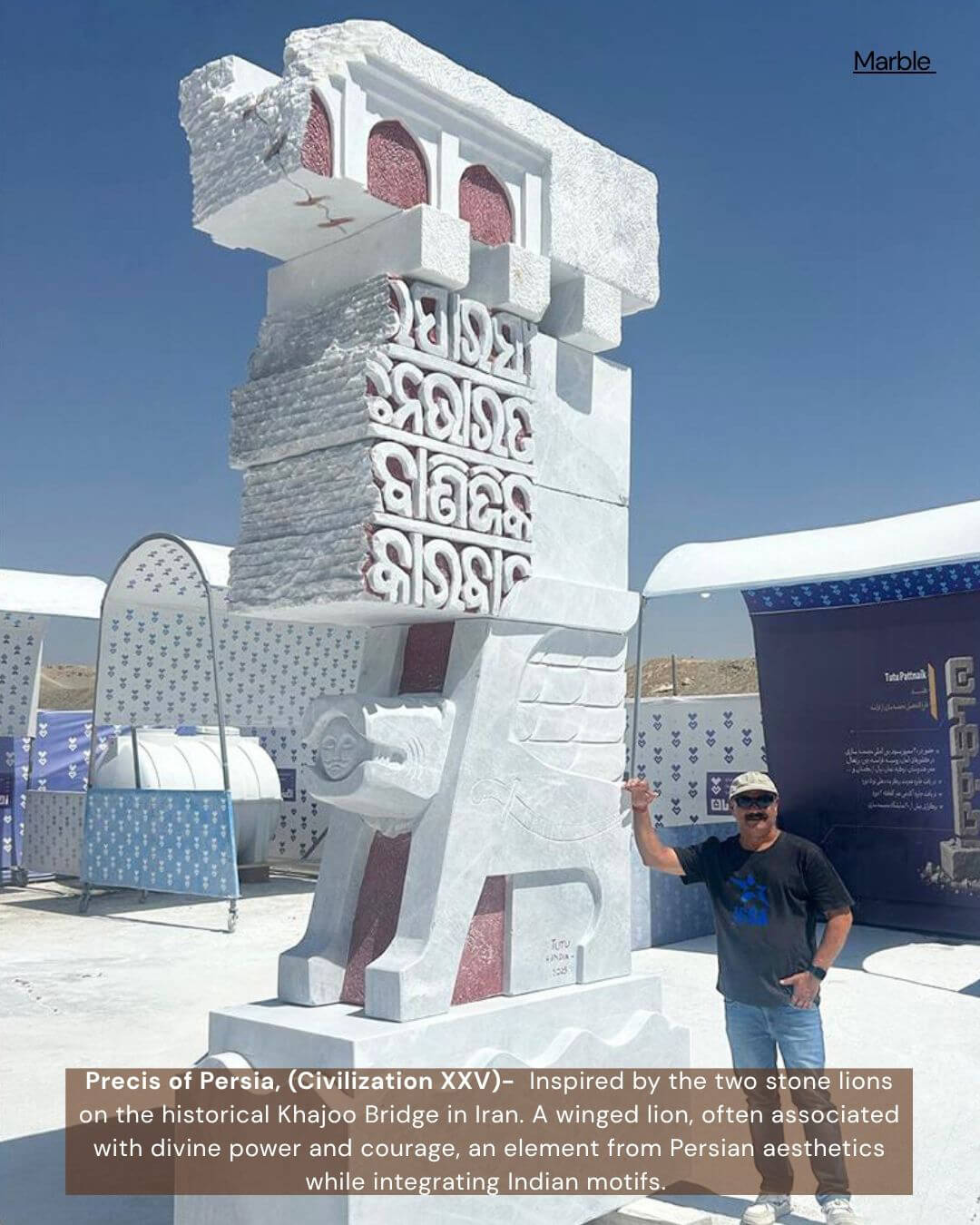
Whether working in India or at international symposiums, his style stayed rooted: study the local culture, then weave an Indian element into it. Two worlds meeting in stone.
What truly sets him apart is his ideology. He doesn’t just carve—he breaks them once completed, to give them a weathered, eroded look, as if they’ve survived centuries. The intentional cracks whisper an urgent truth: our culture is breaking apart. And the clips over the cracks portray the urgency to restore it, to stitch it back together.
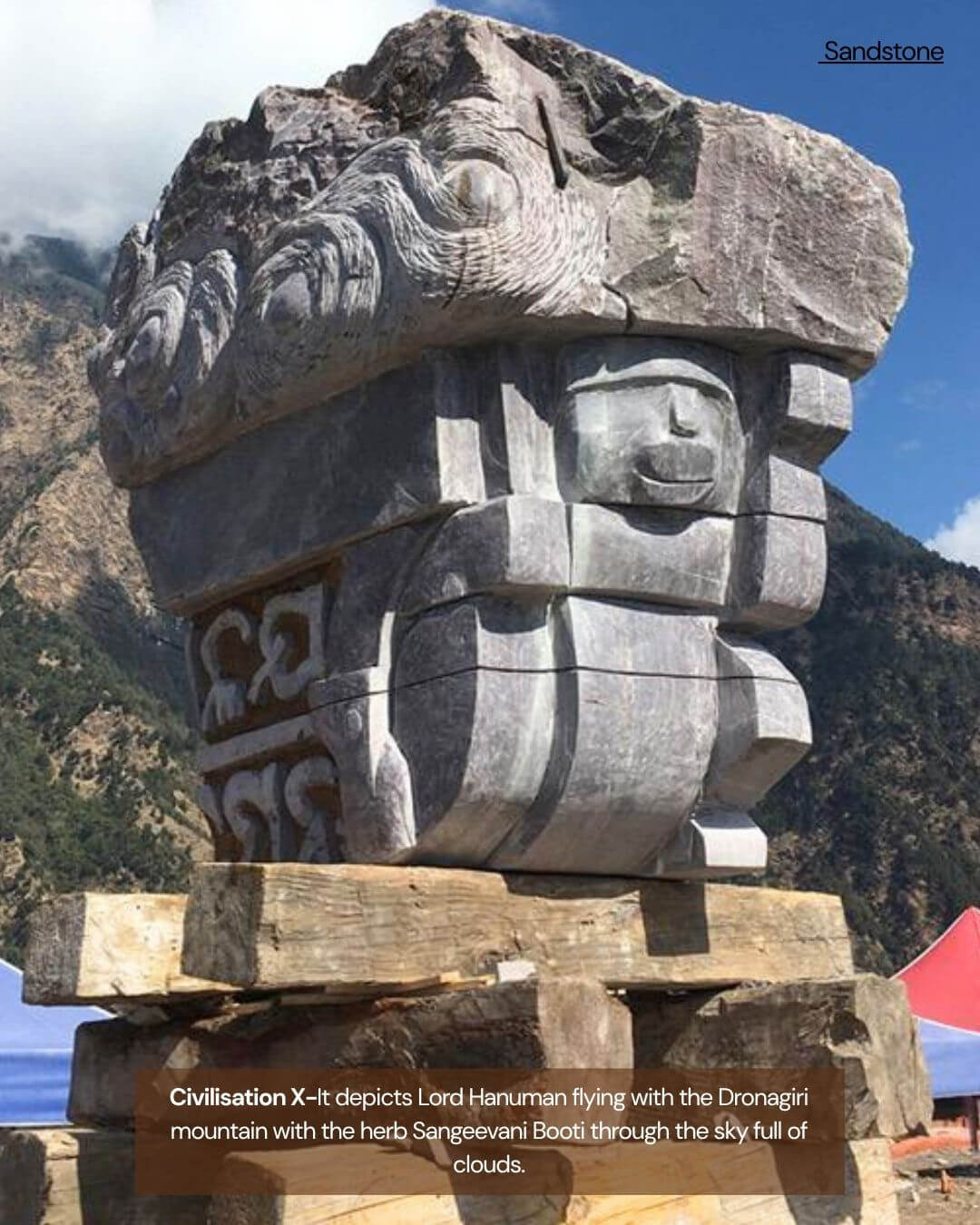
Pattnaik’s art gives a unique flair to sculpture making, a visual image to the history trapped in books. What Pattnaik preserves is not childhood. It is what childhood gave him—a way of seeing stone as a living memory of our culture and history.