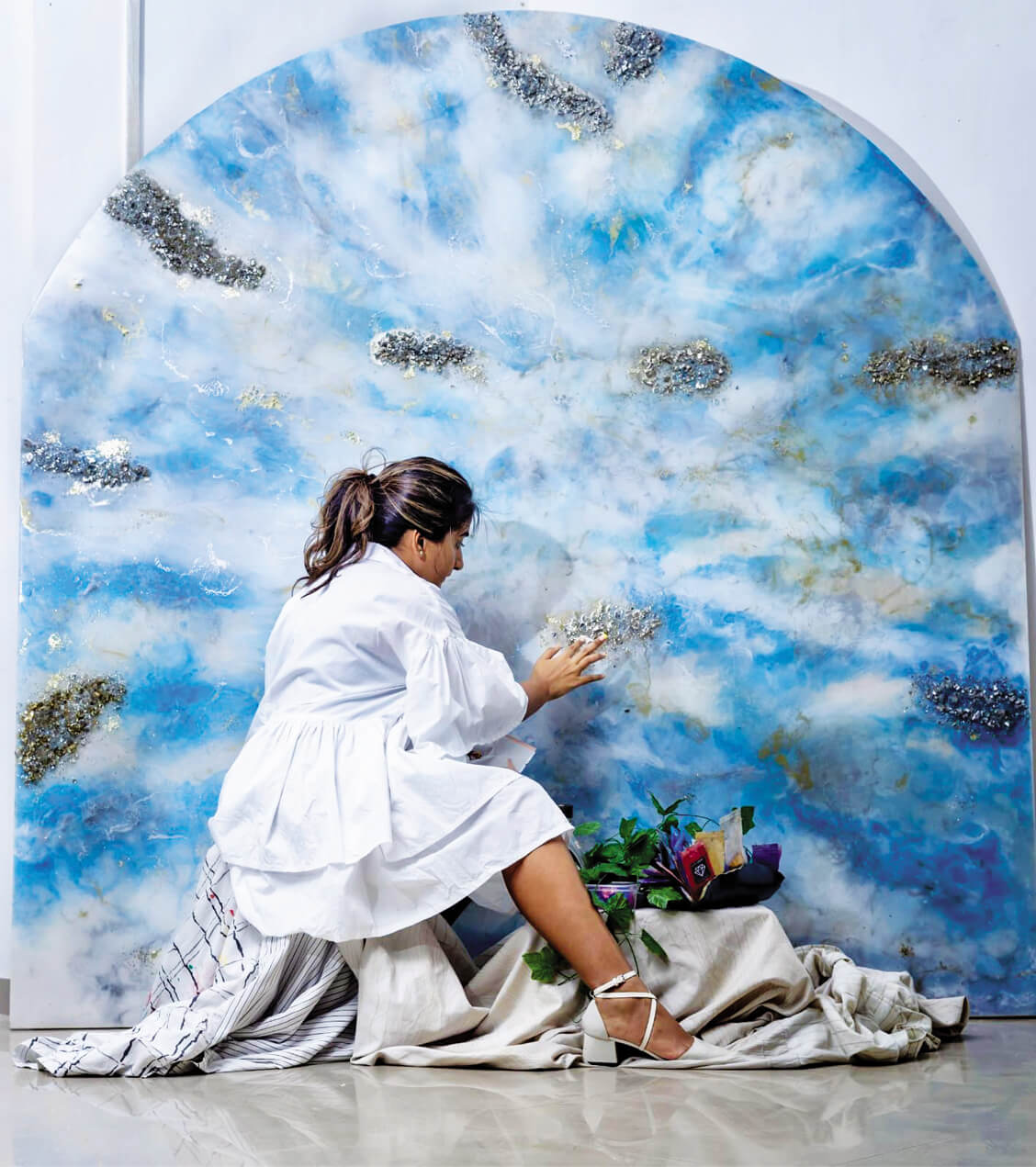
The Art of Memory: When Time becomes Tangible – By Nirmiti Sutar
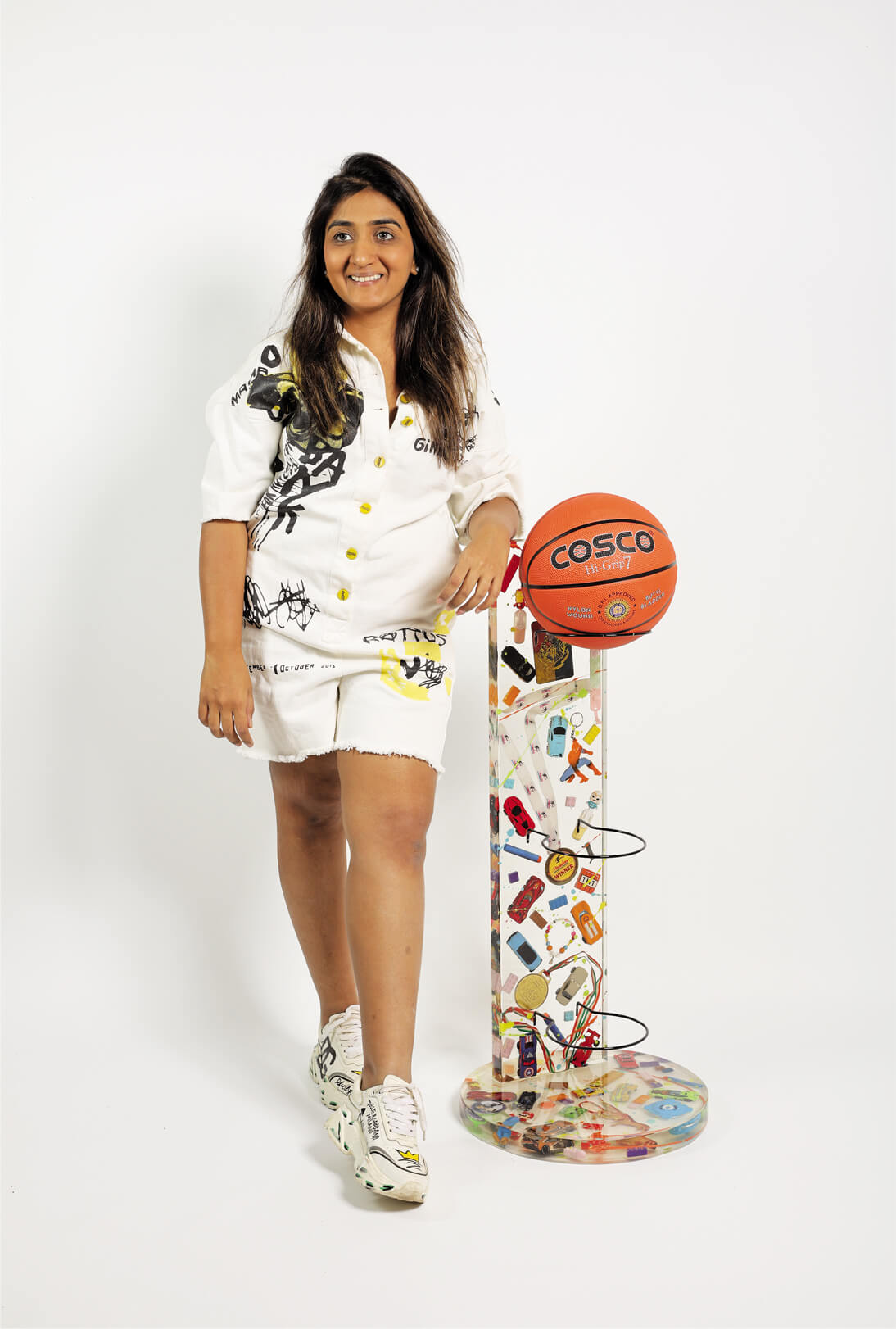 Our brain has a distinctive way of holding on to memories and events that we hold dear to our hearts. Poonam Shah, who was surrounded by murals painted by her mother, knew that surfaces too hold stories.
During her time in Philadelphia after marriage, she was drawn to street art. Art that until now lived in beautiful frames. And then, she was introduced to resin. A material that seemed to understand something fundamental about permanence and change.
On her return to India during the pandemic, she found her calling with Hot Wheels. Experimenting rigorously, as if making up for the lost time, she started working with raisins. And the first breakthrough occurred through a mirror made of Hot Wheels.
It was at this moment that she realised that she wasn’t just making decorative objects but constructing vessels for memory itself.
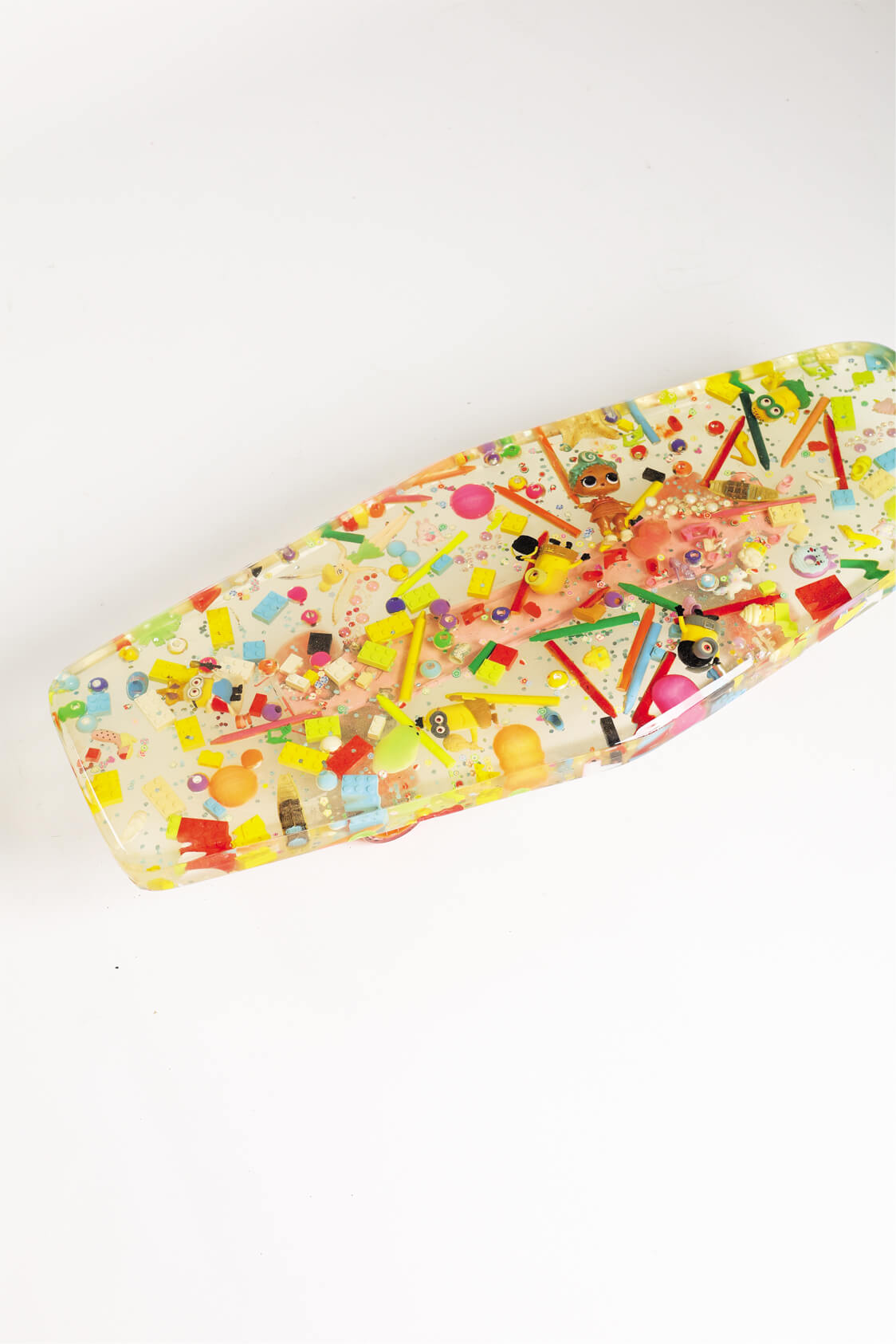
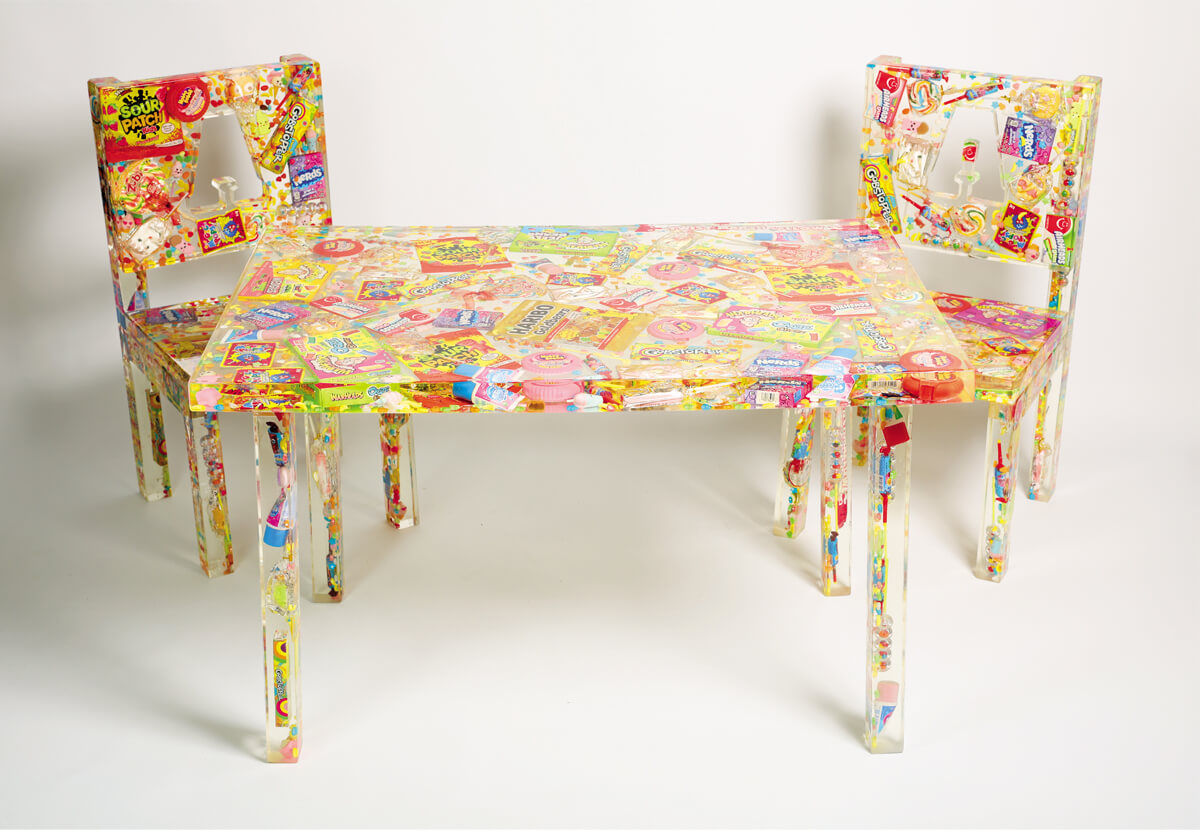
Parents began arriving like pilgrims, carrying artefacts of their children’s brief seasons of innocence. Broken toy cars, chewed puzzle pieces, scattered Scrabble tiles, objects most would discard, but which held the weight of fleeting moments too precious to lose.
Her process resembles temporal archaeology. She begins with conversation, listening to the stories that need to be preserved. Parents send the fragments of their children’s work, and she builds concepts around it.
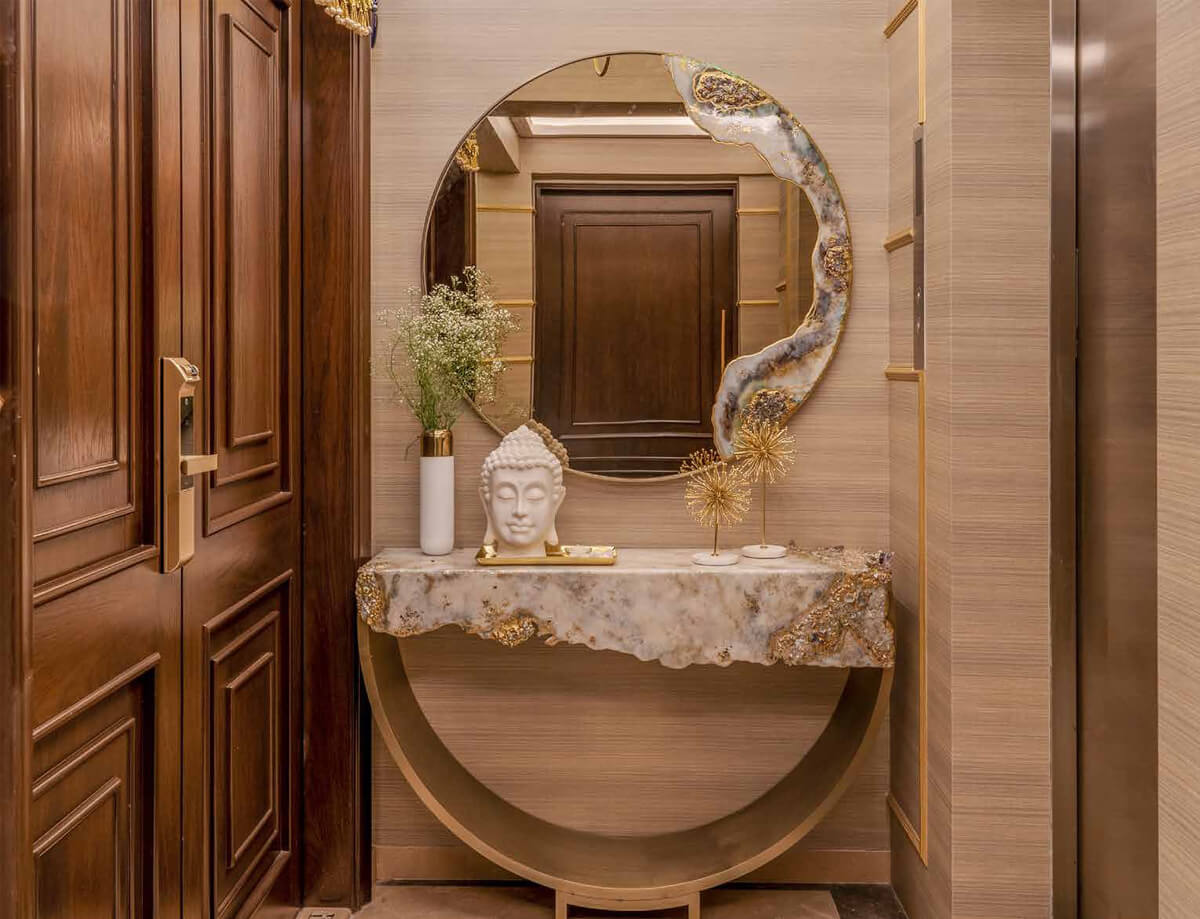
Her art reflects the deeper truth that she understood about childhood’s cruel mathematics: one day you’re stepping on Lego, the next your child’s voice has changed. Her work offers resistance, not stopping time, but catching it in forms that can be touched, used, and lived with.
Poonam’s art is a philosophy about presence and permanence. Her pieces don’t just contain memories; they create new ones. There’s a profound wisdom in her recognition that art shouldn’t merely decorate life but participate in it.